
Manners vs Obedience
What makes Paws and Possibilities unique?
Download this resource HERE.
When most people think of dog training, they think about “obedience” training. They think about teaching a dog to sit, lie down, stay, and come when you call him. We are here to show you there is a whole other world to access through training your dog. Training your dog the world of “etiquette” or manners will make all the difference in what it is like to live with your dog. One world is made up of you micro-managing your dog’s every move and the other world is teaching your dog to make good choices, all by himself.
It’s easy to distinguish between the two worlds. Obedience is what your dog does when you tell him what to do. Etiquette or manners is how your dog acts when you’re not telling him what to do. Imagine a life where your dog is well-behaved at his own initiative. You’d be proud of your dog, not embarrassed by him.
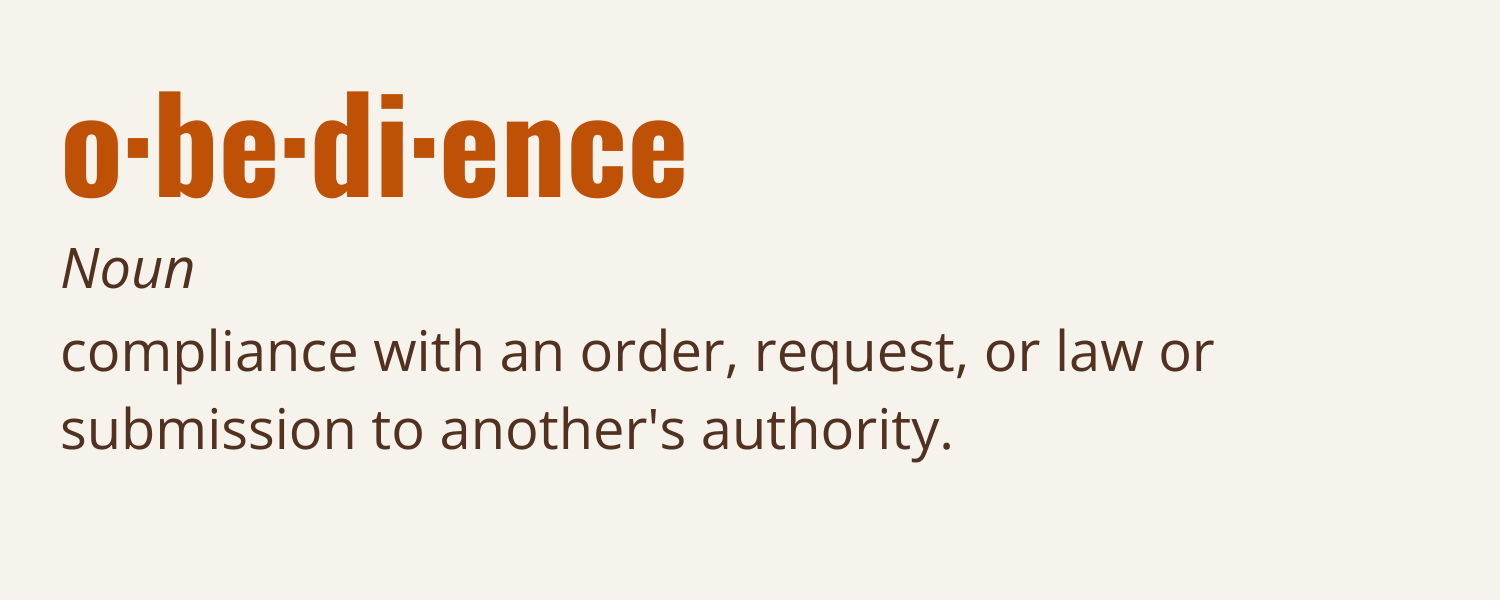
The most common type of dog training is obedience training. You will see it everywhere you look and most people think this is what they need in order to train their dog. Obedience dog training is when you tell your dog what to do and you expect the associated response. The most common commands are sit, down, stay, and come. All dogs should be trained to obey these commands as it is critical for their safety in some circumstances. However, simply training your dog these commands will typically not solve other behavioral issues, like barking, pulling, or jumping. Using these commands can be an effective way to manage and control your dog, and many dog owners use only this type of training.
It is challenging for the average dog owner to achieve a level of obedience that keeps a dog under control during an exciting situation. Typically, when the dog is released from the command (or when he breaks the command), he reverts back to doing the behavior you wanted to avoid in the first place. For example, when your friend stops by your house, you may ask your dog to sit and stay so your dog won’t jump on your friend. Assuming you have reached an advanced level of training and your dog will hold the stay during a distraction as large as your friend coming over, what will happen when you release your dog from the stay command? What is to keep him from jumping on your friend after you tell him he can get up?
Obedient dogs often look impressive and anyone watching will think they are extremely well trained. We recently worked with a 2year-old German Shepard who fit that bill. Boomer is impeccably trained for sit, down, stay, and come. He will hold a stay through any distraction for up to an hour. He will come no matter what, as soon as you call him. I was hired to help the family rehabilitate their perfectly well-trained dog because, when he was not on a command, he bit their 10 year old son. Boomer needed to learn how to make good choices when no one was telling him what to do. Boomer needed to be trained for manners in addition to his obedience commands.
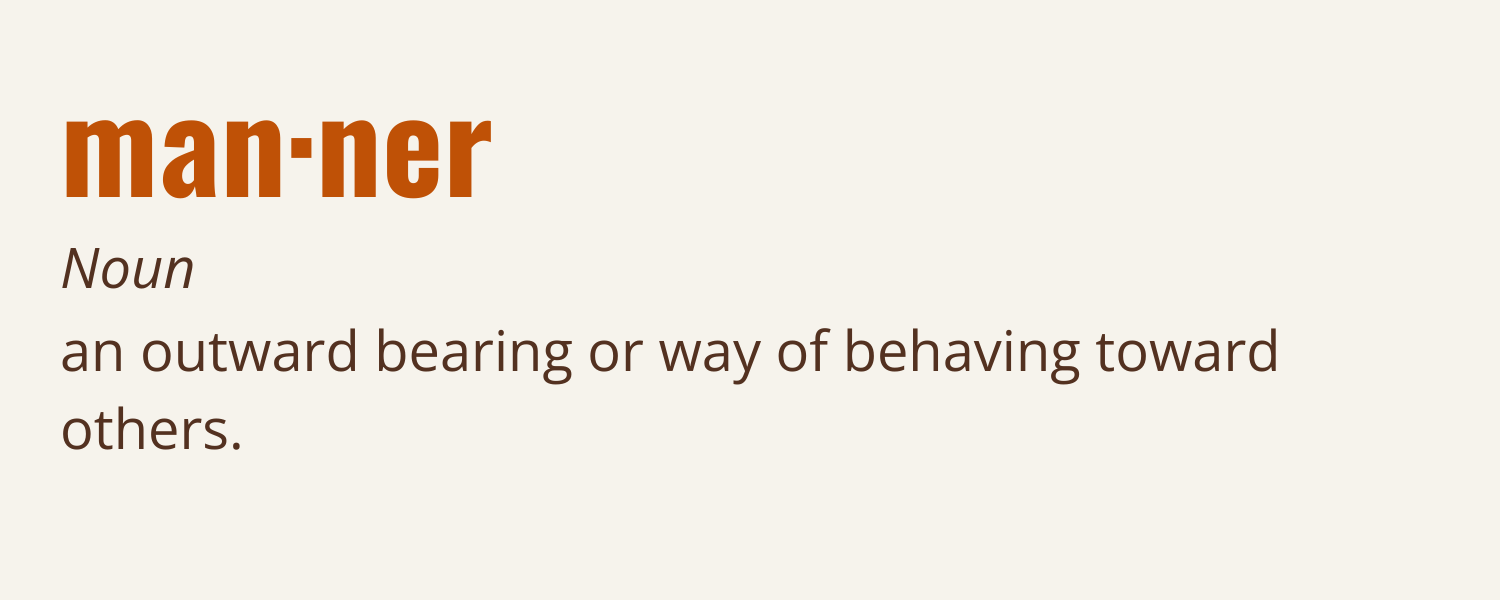
Paws and Possibilities specializes in teaching your dog to make good choices, all by himself so that you don’t have to micro-manage him all day long. We do this by teaching your dog to have good manners so he treats you and others with respect. We focus on etiquette so your dog can learn how to be polite. The most critical piece of this puzzle is holding your dog accountable for good behavior even when you have not commanded him to do something. This component of training- not telling your dog what to do- is challenging for some dog owners and is critical for the level of success we see with the dogs we work with.
Trained this way, your dog will learn to greet guests politely without any direction from you. Your dog will not consider taking food off of a table, and will act appropriately when walking by another dog or person while on leash. Training your dog to have good manners will result in creating the relationship with your dog you've always dreamed of. We have found that a well mannered dog is what most dog owners truly desire, and it’s easy to train! You do not need to constantly tell your dog what to do to ensure it is well-behaved! We argue your dog will be better behaved, in fact, if you let him make the choices instead of always commanding him.
Can you imagine a guest entering your home and having your dog politely greet your friend without jumping, barking, or mouthing their hands/clothes without you saying a word to your dog? You will have peace of mind knowing that you can focus on your guest and not have to worry about your dog’s embarrassing behavior.
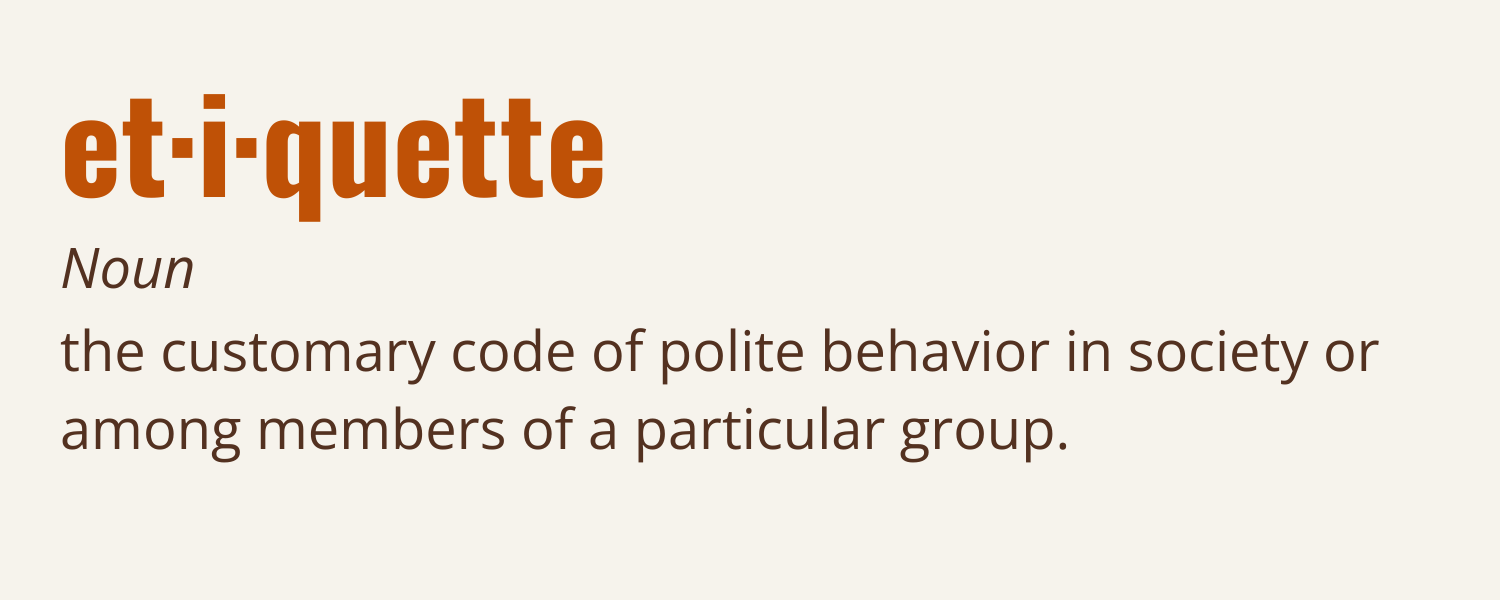
A dog that has good etiquette contributes to a peaceful household, free from stress about the dog’s behavior. In our opinion, training your dog to have good manners is what makes the biggest impact over all in the relationship you have with your pet. As an upside, it will be a lot less work for you.
Copyright © Paws and Possibilities